
This blog's articles are general and for informational purposes only. Our care is always personalised and adapted to each patient's specific characteristics, needs and health condition.
The first days and weeks after surgery or a hospital discharge are decisive for a good recovery. It’s also a period when many families feel unsure: how to properly care for a surgical wound, what warning signs to watch for, when to alert the doctor, how to manage medication? This is exactly where post-surgical home care comes in.
Why recovering at home makes a difference
Home nursing care can contribute to a more effective recovery, since recovering in a familiar environment — with less exposure to hospital-acquired infections and more rest — tends to speed up recovery and reduce the risk of readmission. But for this to happen safely, professional follow-up is essential.
What Brave Care’s post-surgical care includes
- Monitoring and assessment of surgical wounds, and dressing changes.
- Administration and management of prescribed medication.
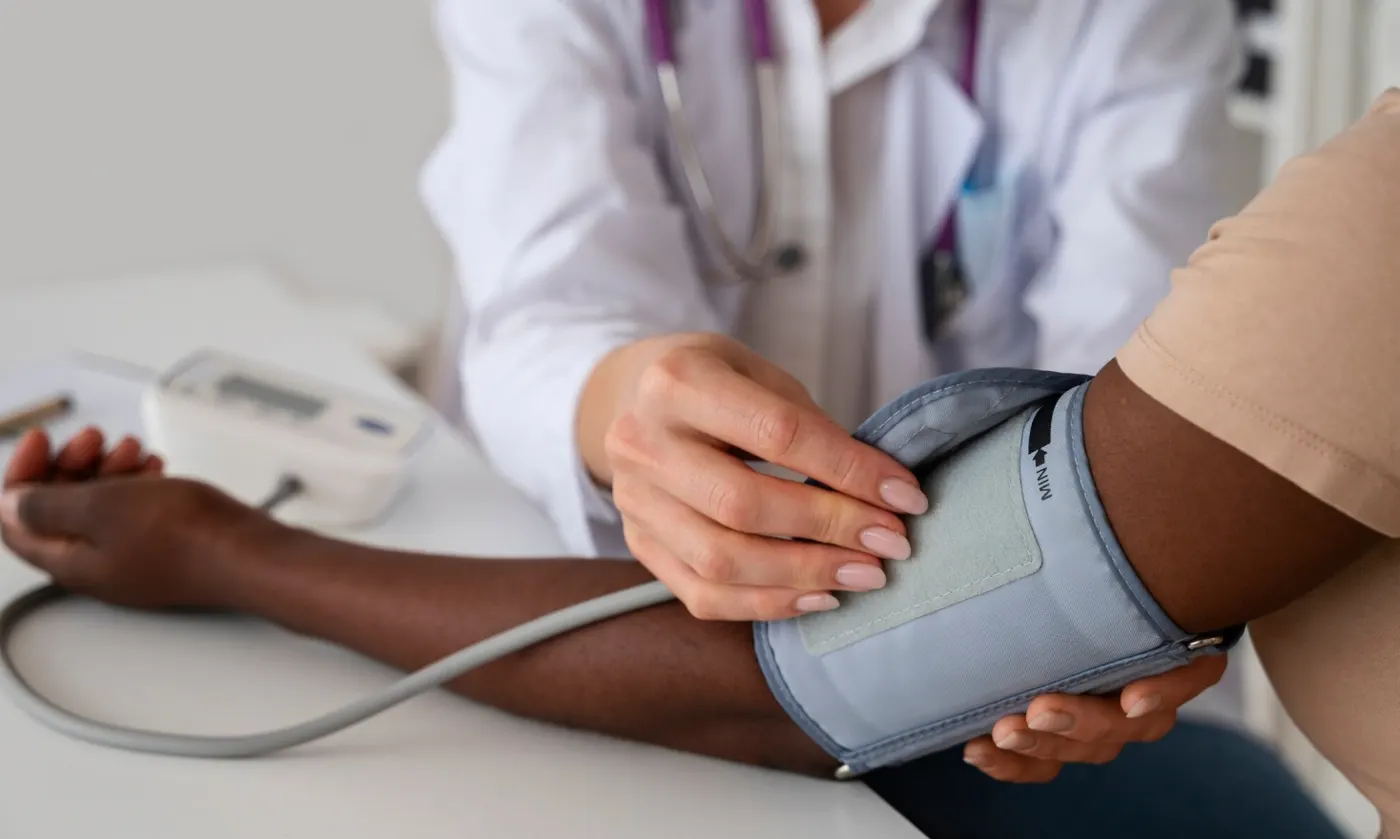
- Vital signs monitoring (blood pressure, temperature, heart rate, oxygen saturation, pain).
- Early detection of complications and warning signs (infection, fever, uncontrolled pain).
- Support with mobilisation and the first steps of rehabilitation.
- Coordination with the attending doctor whenever necessary.
Warning signs every family should know
Persistent fever, redness or discharge at the surgical site, intense pain that doesn’t ease with the usual medication, or sudden confusion are signs that call for immediate assessment. Having a nurse following the patient closely allows for an immediate response and significantly reduces the risk of these situations going unnoticed and turning into avoidable complications.
How long does follow-up last?
It varies depending on the type of surgery, overall health and each person’s progress. It can range from intensive follow-up in the first few days to more spaced-out visits as recovery advances. At the first visit, the Brave Care nursing team assesses the situation and proposes a plan tailored to the surgery, the patient’s overall condition and the expected goals.
If you were recently discharged from hospital, or are about to have surgery, talk to us to arrange safe post-surgical follow-up in the comfort of your home.
Found this article useful?
Share it with someone who might need it.